

When it comes to finding enjoyable activities for children, few things can compare to the charm and excitement of board games. Board games for kids not only provide hours of entertainment but also foster important skills like critical thinking, teamwork, and communication. Whether it’s a cozy family game night or a lively gathering with friends, the right board game can transform any occasion into a memorable experience. In this article, we’ll explore the nine best board games for kids, each designed to captivate young minds while delivering fun and learning in equal measure. So, gather around the table, and let the games begin!
How do you choose a board game for a kid?
Choosing a board game for a kid can be a delightful yet challenging task, especially with the vast array of options available today. The first step is to consider the child’s age and developmental stage. Board games for kids typically have age recommendations that can guide you in selecting a game suited to their cognitive skills and understanding. Younger children may benefit from games that feature simple rules, colorful components, and engaging themes, while older kids might enjoy games that introduce strategy and critical thinking.
Another critical factor to consider is the interests of the child. If they have a passion for animals, adventure, or fantasy, there are board games that cater specifically to those themes. Involving the child in the decision-making process can enhance their excitement and investment in the game. Additionally, family-friendly games that accommodate multiple players not only promote social skills but also inspire teamwork and cooperation. This shared experience can create lasting memories and foster a love for board gaming.
Furthermore, it’s essential to think about the game’s replay value. A good board game for kids should offer enough variability or strategic depth to remain interesting after several plays. Some games are designed with modular components or different scenarios that can be adjusted with each session, keeping the gameplay fresh and engaging. Look for reviews or recommendations that highlight how well a game holds up over time.
Lastly, consider practicality, such as the game’s length and complexity. A game that lasts too long might test the patience of younger players, while overly complex games could lead to frustration rather than fun. Balancing these elements will help ensure that the chosen board game is not only age-appropriate but also enjoyable and enriching. With the right board game, you can ignite a lifelong passion for gaming and instill valuable skills in your child.
What ages are appropriate for which games?
When selecting board games for kids, it’s essential to consider their developmental stages and the skills they can enhance through gameplay. For toddlers aged 2 to 4 years, simple games that involve matching colors, shapes, or basic counting can be very effective. Games like “Candy Land” or “Memory” help young children develop their cognitive skills, as they learn to recognize patterns and improve their memory. At this age, games should focus on cooperative play rather than competition, allowing children to enjoy the process of playing and interacting without the pressure of winning.
As children grow into the 5 to 7 age range, their ability to understand more complex rules and strategies increases. Board games for kids such as “Animal Upon Animal” or “Chutes and Ladders” can introduce them to early strategic thinking and decision-making. This is also a great time to include games that foster social skills, as children start to learn about sharing, taking turns, and even dealing with loss in a safe and friendly environment. Engaging with their peers through these games can help strengthen friendships and promote healthy social development.
From ages 8 to 12, children are ready to tackle more intricate games that often incorporate critical thinking and strategy. Titles like “Ticket to Ride” and “Catan” encourage problem-solving and cooperation among friends. These games not only stimulate a child’s intellect but also teach them to form alliances, negotiate, and think ahead, honing skills that will be valuable in many aspects of life. It’s crucial for parents to guide their children through these games, ensuring that the emphasis is on fun and learning rather than just competition.
As teenagers approach the age of 13 and beyond, the world of board gaming expands even further. They can fully participate in games that require deeper strategic thinking and thematic storytelling, such as “There’s A Ghost in the House” or “Dungeons & Dragons.” These games not only offer entertainment but also serve as a platform for creativity, where teens can immerse themselves in rich narratives and collaborate to achieve common goals. Introducing them to a diverse range of games can cater to varying interests, ensuring that the gaming experience continues to be enriching and enjoyable at every age.
Do I need to watch my kid play each of these board games first?
When it comes to introducing board games for kids, many parents find themselves wondering whether they should sit down and play each game themselves before letting their children take the reins. While the initial instinct might be to oversee every game to ensure it’s appropriate and fun, it’s worth considering a more balanced approach. Observing your child play a new game can be incredibly beneficial, but it doesn’t necessarily mean you need to play every single one first.
Watching your child tackle a new game can provide insight into their problem-solving skills, creativity, and social dynamics with peers. By simply observing, you can identify areas where they might need guidance or support, especially if the game has strategic components that could lead to frustration. Parents often find joy in witnessing their children navigate the ups and downs of the game, fostering independent thinking and resilience. This level of engagement can create an opportunity for rich discussions about fairness, sportsmanship, and decision-making, enhancing the overall experience.
On the other hand, some board games for kids come with complex rules or themes that may not be apparent just by looking at the box. In these cases, it might be wise for parents to familiarize themselves with the gameplay beforehand. This not only equips you with the knowledge to assist your child in understanding the game but also allows you to gauge whether it aligns with your values or the interests of your child. A quick read-through of the game’s rules or even a fast solo playthrough can make a significant difference in ensuring that game night runs smoothly.
Ultimately, the decision doesn’t have to be black and white. Engaging with a variety of board games for kids can facilitate the right balance between oversight and independence. Encourage your child to explore new games while remaining available to guide them as needed. This approach fosters creativity and confidence, helping them develop a lifelong love of play and learning.

Do winners matter when playing board games with kids? How hard should an adult try?
Playing board games for kids is not just about competition; it’s an opportunity to bond, learn, and have fun together. Whether it’s a family game night or an impromptu playtime, adults often face a dilemma: how much should they strive to win against younger opponents? While the thrill of victory can be enticing, it’s essential to consider the potential impact on children’s experience with games.
Winning can sometimes feel like the key to a rewarding game, but for kids, the real value often lies in the lessons learned during play. Children learn about strategy, teamwork, and sportsmanship through the process of the game, rather than merely through the end result. If an adult focuses too heavily on winning, they risk making the experience stressful or discouraging for the child, overshadowing the fun and social interaction inherent in board games. It’s often more beneficial to adopt a balanced approach, allowing children to experience both winning and losing in a supportive environment.
By being mindful of how hard they try, adults can cultivate a space where children feel encouraged to participate and improve their skills. Engaging in playful banter, celebrating small victories, and maintaining a positive attitude can help foster resilience, allowing children to handle wins and losses alike with grace. This balance can help instill a lifelong love for board games while creating cherished memories. Ultimately, the goal should be more about enjoying time together than simply tallying the scores.
Encouraging kids to embrace both victories and defeats ultimately teaches them valuable life skills, such as perseverance and empathy. Through board games for kids, the emphasis should be on inclusivity and enjoyment, promoting a healthy gaming culture within families. When adults approach games with the right mindset, the joy of playing together will far outweigh the importance of being crowned the ultimate champion.
Are there any tips for making our way through a kid’s first board game?
Navigating a child’s first experience with board games can be both exciting and challenging. Introducing kids to board games for kids not only fosters family bonding but also helps develop important skills such as critical thinking, cooperation, and patience. To make this experience as enjoyable as possible, it’s essential to choose the right game and create a supportive environment that encourages learning and fun.
First, when selecting a game, consider the age appropriateness and complexity of the rules. Games designed specifically for younger players often have straightforward mechanics that are easier to grasp, making them ideal for a first-time experience. Look for games that allow for short play sessions, as young children may have limited attention spans. Additionally, it can be helpful to select a game with engaging visuals or themes that resonate with them, capturing their interest and motivating them to participate.
Once you have chosen the game, take the time to explain the rules clearly but simply. Kids tend to absorb information better when it’s delivered in a friendly, engaging manner. Avoid overwhelming them with too many details at once; instead, break down the rules into manageable parts and demonstrate the gameplay before diving into a full match. Encouraging their questions throughout the explanation will also help ensure they feel comfortable and involved from the very beginning.
Finally, remember that the primary goal of playing board games for kids is to have fun. Celebrate small victories and offer encouragement regardless of who is winning or losing. Demonstrating good sportsmanship will reinforce the value of playing together, while also teaching them how to handle both success and defeat gracefully. By focusing on the enjoyment of shared moments rather than just the competitive aspect, you’ll create lasting memories and foster a lifelong appreciation for board games in your child’s life.
What are some signs a kid is losing interest?
Every parent wants their child to engage and thrive in activities, whether academic, creative, or recreational. However, there are times when a child may start to lose interest in activities they once enjoyed, such as board games for kids. Recognizing the signs of waning enthusiasm can help parents intervene and find ways to reignite their child’s passion. One of the most telling indicators is a noticeable decrease in participation. If your child used to eagerly join in on game nights but now lingers at the edge of the room or offers excuses to avoid playing, it may be time to check in on their feelings about the activity.
Another sign of losing interest is the absence of enthusiasm or excitement. When children are passionate about something, they’ll often exhibit eagerness in sharing their thoughts or strategies. If you notice a lack of engagement during discussions about favorite board games for kids, or if their once-animated storytelling around game experiences has turned into short, indifferent responses, it’s a clear signal that their interest may be waning. Additionally, watch for changes in their focus. If your child seems distracted, uninterested, or frustrated while playing, it could indicate that they no longer find joy in the activity.
Sometimes, kids may shift their attention to other interests that feel more stimulating or rewarding. If your child is gravitating towards screen time or new hobbies, it’s possible that traditional games no longer capture their imagination. Instead of forcing them to stick with familiar board games for kids, consider exploring new options that align with their current interests. This could involve introducing new game themes, formats, or even switching to interactive or digital experiences that still encourage social interaction while engaging their curiosity.
Ultimately, fostering an environment that promotes exploration and expression is key to maintaining a child’s interest in activities. Open communication is crucial; asking them why they might be losing interest can provide insight and promote a sense of autonomy. By showing understanding and offering to try new games or approaches, parents can help their children reconnect with the joy of playing together, ensuring that cherished family game nights remain a rewarding experience.
How long should we play a particular board game with kids before moving on and/or packing it up?
When it comes to choosing board games for kids, an important consideration is the duration of playtime before transitioning to another game or packing up. While some games may engage children for hours, others might lose their appeal after just a short session. It’s essential to strike a balance between keeping the game enjoyable and ensuring that it doesn’t feel like a chore. Ideally, a good guideline is to aim for around 30 to 60 minutes of playtime, depending on the game’s complexity and the children’s attention spans.
Younger children often have shorter attention spans, so games designed for them typically last about 20 to 30 minutes. These shorter durations allow kids to stay engaged and excited, making the experience more enjoyable. On the other hand, games that are more strategic or involve deeper thinking may merit longer sessions. If the kids are still active participants and enjoying the game, it’s perfectly fine to extend playtime a bit longer. However, if you notice that their enthusiasm is waning or if they’re starting to lose focus, it may be time to wrap it up.
Transitioning to a new game can be an excellent way to refresh the gameplay experience. It not only keeps the energy levels high but also allows kids to explore different mechanics and stories offered by various board games for kids. Before packing up, consider discussing the game with the children. Ask them what they enjoyed most and if they’d like to revisit it another time. This helps validate their experience and keeps them looking forward to future gaming sessions.
Ultimately, the key is to be attentive to the mood and engagement of the players. Board games should foster interaction, creativity, and enjoyment, so it’s crucial to lean into those aspects. Monitoring how the children respond to a game will guide you when to transition or pack up. Whether you play for a brief period or engage for a more extended session, the joy of sharing time together over a game remains the most valuable takeaway.

The best Guess Who for animal lovers
Hasbro Animal Friends Game
The Hasbro Gaming Guess Who? Animal Friends Game is a delightful twist on the classic guessing game that both children and families can enjoy. Designed for two players, this engaging board game features two double-sided animal sheets, allowing for endless fun with a variety of adorable creatures. Ideal for kids aged 6 and up, it’s perfect as a back-to-school gift to encourage social interaction and critical thinking. The game’s compact size makes it easy to store or transport, ensuring that children can enjoy it during playdates or family gatherings.
Parents will appreciate the simplicity and educational value of Guess Who? Animal Friends while kids will love the delightful illustrations and the challenge of deducing their opponent’s animal. The interactive nature of the game fosters communication skills and enhances logical reasoning, making it an excellent choice for young learners. Overall, this Amazon exclusive has quickly become a favorite in many households, providing hours of entertainment while also promoting valuable skills in a fun and engaging way.
Helps develop deductive reasoning skills
Can be easily enjoyed by children or adults with special needs
Gameplay works well with animals
Cute art on game board and character sheets
Cute animal-themed adaptation of the original game
Only two players can play at a time
Limited to only 2 players
Size: 1.63 x 11.5 x 9.63 inches
Weight: 1.27 pounds
Player: 2
Age: 6+

Best Twister board game for kids
Hasbro Gaming Twister Junior Board Game
The Hasbro Gaming Twister Junior Game, featuring an engaging Animal Adventure 2-sided mat, is a delightful choice for children ages 3 and up. This innovative game combines the classic Twister fun with an exciting animal theme, making it perfect for indoor play with 2 to 4 players. The reversible mat offers both a traditional Twister experience and a fresh animal-themed twist, allowing kids to burn off some energy while developing their motor skills and coordination.
Parents will appreciate how this game encourages social interaction, laughter, and endless fun in a safe, indoor environment. Its easy-to-set-up design makes it perfect for playdates, family gatherings, or birthday parties. Overall, the Twister Junior Game is an entertaining and versatile addition to any family’s game collection, ensuring that kids stay engaged and active, all while having a blast!
Reversible game board for variety
Reversible board adds variety to play
Two games in one
Game mat doubles as a 2nd game
Reversible spinner board
Can be hard to store
Can be difficult to get the mat to lay flat
Age: 3+
Size: 1.63 x 13.13 x 10.5 inches
Games: 2
Material: Plastic
Design: Animal Adventure
Play mode: Manual

Best board game for young children
Hasbro Gaming Chutes and Ladders Board Game
The Hasbro Gaming Chutes and Ladders Board Game is a delightful addition to any family game night, offering wholesome fun for children aged three and up. This classic game, tailored for 2 to 4 players, encourages young players to navigate a colorful board filled with exciting chutes and ladders, teaching them valuable lessons about taking risks and the joys of winning and losing. The vibrant illustrations and simple gameplay make it an ideal choice for preschoolers, ensuring that everyone can join in on the fun without feeling overwhelmed.
Parents have praised the Chutes and Ladders game for its engaging mechanics that help cultivate counting skills and patience in children while providing a safe and enjoyable learning environment. The quality of the game components reflects Hasbro’s commitment to excellence, promising durability that can withstand the enthusiastic play of little ones. Whether played in the living room or at a family gathering, this Amazon Exclusive board game brings smiles and laughter, making it a must-have for families looking to create lasting memories together.
Helps with counting and number recognition
No reading required
No reading skill required
Helps kids learn numbers
Gameplay can feel repetitive after a while
No strategy
Size: 15.87″L x 10.63″W
Gender: Boys & Girls
Package: Standard Edition
Recommended age: 3+
Weight: 16 ounces
Material: Plastic
Style: Cartoon

Best budget two-player board game
Hasbro Guess Who? Board Game
Hasbro Gaming’s Guess Who? Original is a timeless classic that continues to provide endless fun for families and friends. With its easy-to-load frame and double-sided character sheet, setup is a breeze, allowing players to dive straight into the guessing game without any hassle. Suitable for ages 6 and up, this two-player board game encourages critical thinking and communication skills as players ask yes or no questions to uncover their opponent’s mystery character.
The vibrant artwork and engaging gameplay make Guess Who? not just a game, but a delightful experience that fosters connection among players. Parents will appreciate the simplicity of rules and quick rounds, while kids will enjoy the thrill of deduction and strategy. Overall, this product stands as an excellent choice for family game nights, ensuring laughter and enjoyment for all involved.
Double-sided sheets with different themes
Comes with additional superhero sheets
Comes with two different character sheets: regular and superhero, frame-loading
Easy to transport
Can travel with you
Only two players
Requires 2 players
Weight: 635 Grams
Gender: Unisex
Brand: Hasbro Gaming
Number of Players: 2
Recommended Age: 6 and Up
Package: 1 Tin

Best board game for young children
Hasbro Gaming Candy Land Kingdom Board Game
The Hasbro Gaming Candy Land Kingdom of Sweet Adventures Board Game is a delightful choice for families looking to add some sweetness to their game nights. Specifically designed for children aged three and up, this Amazon exclusive transports players into a whimsical world filled with colorful characters and candy-themed landscapes. With simple rules and a friendly competitive spirit, it’s ideal for young children to engage in their first board game experience. The game not only fosters turn-taking and counting skills but also sparks imaginative play as kids navigate through the enchanted Candy Land.
Parents will appreciate the durable construction of the game components, ensuring hours of entertainment without wear and tear. The vibrant artwork and charming design elements captivate young players, making it an excellent gift for both boys and girls during the holiday season. Whether it’s a cozy family evening or a festive gathering, Candy Land promises joyful laughter and fun, creating cherished memories for years to come. Overall, it’s a timeless classic that offers a perfect blend of education and entertainment for young adventurers.
No reading required
No reading necessary
Very little strategy
No strategy or skill required
Weight: 1.12 pounds
Age: 3 and up
Language: English
Type: Kids’ board game
Size: 1.18 x 15.75 x 10.63 inches
No reading required: Yes
Best classic game of connect 4
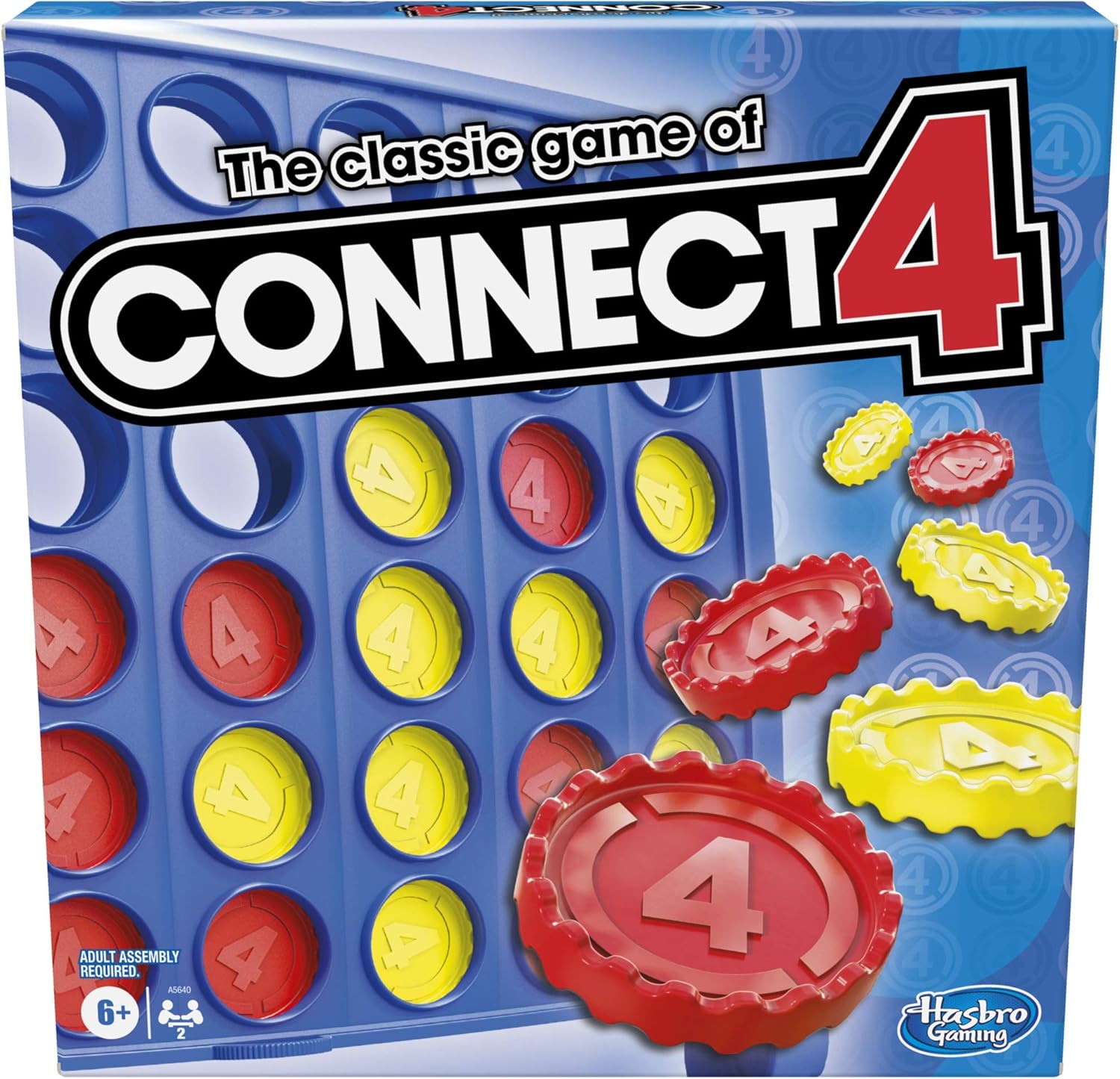
Hasbro Gaming Connect 4
The Hasbro Gaming Connect 4 Classic Grid is a timeless board game that has delighted families for generations. This 2-player strategy game challenges opponents to connect four of their colored discs in a row—either vertically, horizontally, or diagonally—before their competitor does. Designed for children aged 6 and up, it not only provides endless fun but also helps develop critical thinking and problem-solving skills. The compact grid design makes it easy to set up and play anywhere, whether at home or on the go.
Parents appreciate that this game encourages face-to-face interaction, steering kids away from screens while fostering healthy competition and social skills. The vibrant colors and simple rules make it accessible for younger players, ensuring that the whole family can join in on the excitement. Overall, Hasbro’s Connect 4 Classic Grid is a must-have addition to any game collection, promising hours of entertainment that can be cherished across generations.
Quick and easy gameplay
Connect 4 is a classic game that is easy to learn and fun to play
Teaches strategy and critical thinking
Teaches basic strategy
Easy to learn
Requires another player
You need an opponent to play
Game: Connect 4
Language: English
Weight: 16 ounces
Color: Multi
Size: 11 x 2.13 x 11 x 2.5 inch
Players: 2
Age: 6+ Years
Package: 1 box

Best physical activity game for kids
Hasbro Twister Party Classic
The Hasbro Twister Party Classic Board Game is a timeless favorite that brings laughter and physical fun to any gathering. Designed for two or more players aged six and up, this game is the perfect icebreaker for both indoor and outdoor events. Players spin the dial and contort their bodies to touch colored circles on the mat, leading to hilarious and often chaotic moments. The simple rules allow for quick setup, making it an ideal choice for family game night, birthday parties, or casual gatherings with friends.
Quality and durability are hallmarks of the Hasbro brand, and Twister is no exception. The mat is sturdy and designed to handle energetic play, while the vibrant colors easily catch the eye. Whether played in the living room or the backyard, Twister stimulates both laughter and friendly competition, ensuring memorable experiences. Overall, the Hasbro Twister Party Classic Board Game is a must-have addition to any game collection, promising hours of entertainment and bonding among players.
Large mat size
Easy to learn and play, even for young children
Encourages physical activity
Adjustable for any skill level
Requires a large playing area
Mat is hard to play on
Weight: 1.13 pounds
Language: English
Age: 6 and Up
Size: 1.97 x 10.51 x 10.51 inches
Gameplay: 2 or More Players
Style: Classic

Best board game for 3-year-olds
Hasbro Gaming Chutes and Ladders
The Hasbro Gaming Chutes and Ladders Marvel Spider-Man Edition Board Game is an exciting and vibrant twist on the classic game that has entertained families for generations. Tailored for young fans of the web-slinging superhero, this version captures the essence of the Spider-Man universe with colorful graphics and engaging gameplay that appeals to both boys and girls ages three and up. Ideal for 2-4 players, it provides a perfect opportunity for family game nights or playdates, fostering social skills while keeping the fun alive.
Parents and kids alike will appreciate the simplicity of the rules, making it accessible for preschoolers who are just starting to grasp the concept of board games. The addition of Spider-Man character illustrations adds a thrill that keeps children entertained while they climb ladders and navigate chutes. Overall, the Hasbro Gaming Chutes and Ladders Marvel Spider-Man Edition Board Game effortlessly combines educational play with the excitement of the superhero world, making it a fantastic addition to any game collection.
Spider-Man characters
No-reading-required gameplay
Includes Spider-Man-themed gameboard and character movers
No reading required
Spider-Man-themed
Little strategy involved
Doesn’t require much strategy
Material: Plastic
Language: English
Playing time: 15 Minutes
Item size: 10.51″L x 15.75″W
Choking hazard: Small Parts
Genre: Family
Age range: 3+ years
The best alternative board game for families
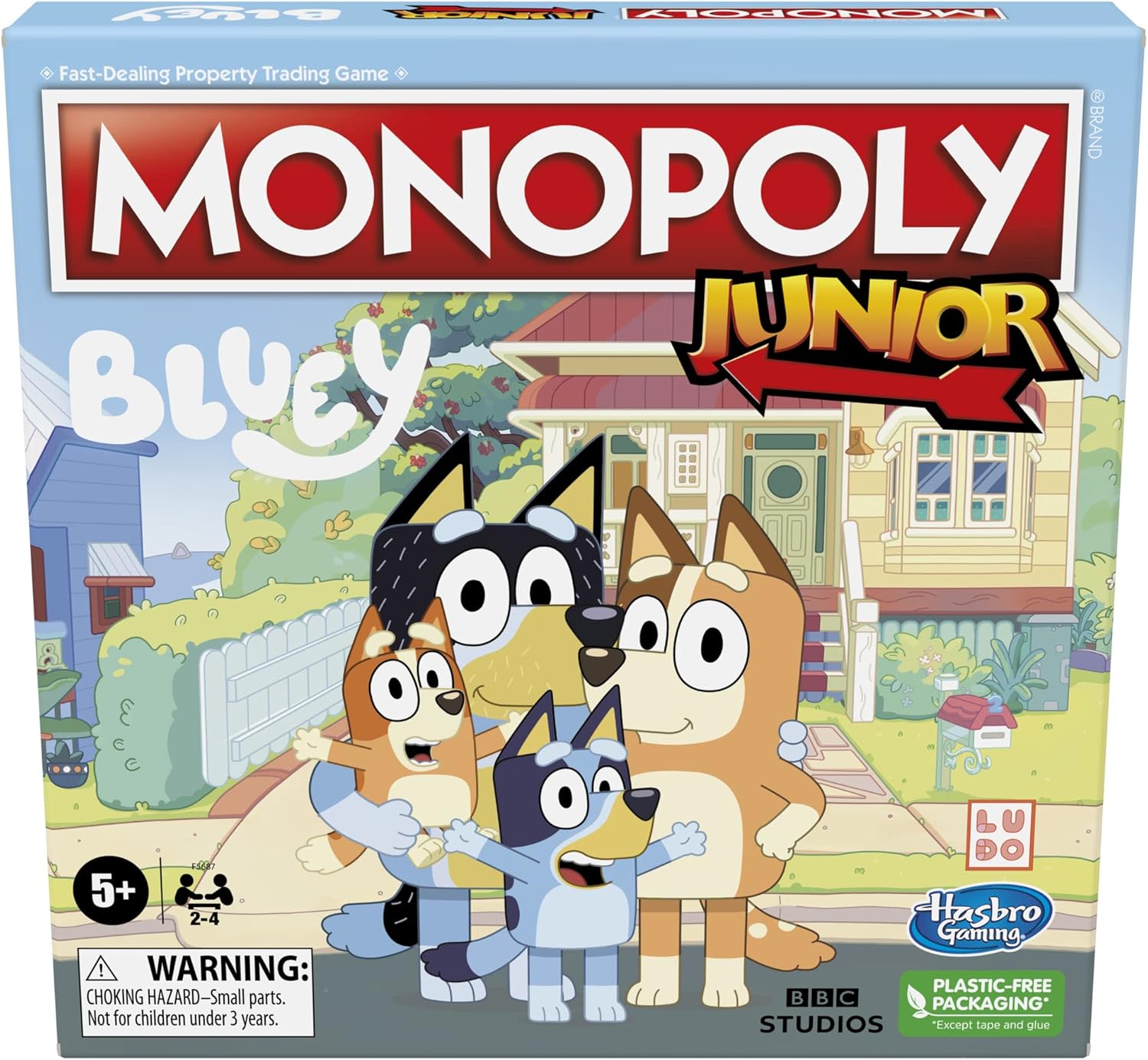
Monopoly Junior Bluey Edition
The Hasbro Gaming Monopoly Junior Bluey Edition Board Game is a delightful twist on the classic Monopoly game, perfect for young fans of the beloved Australian animated series. Kids can step into the colorful world of Bluey, playing as their favorite characters like Bluey, Bingo, Mum, and Dad. Designed for children ages 5 and up, the game is easy to understand and encourages creativity and strategic thinking while providing hours of entertainment. The vibrant artwork and engaging gameplay make it a fantastic addition to family game night, promoting quality time and laughter among players.
Parents will appreciate the game’s age-appropriate mechanics, which keep the excitement alive without overwhelming younger players. The familiar Monopoly framework is simplified, ensuring that children can quickly grasp the rules and start playing. With its charming theme and well-crafted components, the Hasbro Gaming Monopoly Junior Bluey Edition Board Game is a must-have for any young Bluey fan, making it an Amazon exclusive treasure that brings fun and adventure to the tabletop.
Great for fans of the show
One collector’s token for each Bluey character
Bluey-themed board and playing pieces
Fun for all ages, even if you’ve never watched Bluey
Based on Monopoly Junior, a well-known and well-liked game
Some adults might find the theme uninteresting
Can be over quickly
Weight: 1.13 pounds
Language: English
Number of Players: Multiple
Type: Kids Monopoly
Size: 13.11 x 10.51 x 0.1 inches